Beta thalassemia is now being treated with CRISPR gene editing for the first time in history. Here is a plain explanation of the disease and treatment, plus a Christian perspective on faith, science, and healing.

Medical science has reached a remarkable moment. For the first time in history, a genetic disease can be treated by editing a person’s own DNA. One of the diseases at the center of this breakthrough is beta thalassemia. For Christians, this raises both wonder and important questions. How should we think about gene-editing technology through the lens of Scripture?
Let’s start by understanding the disease itself, then look at the treatment, and finally consider what it means for our faith.
Beta thalassemia is an inherited blood disorder that causes the body to make low levels of healthy hemoglobin, the protein in red blood cells that carries oxygen throughout the body. Because their blood cannot carry enough oxygen, people with the condition suffer from anemia.
The most serious form is called transfusion-dependent beta thalassemia. As the name suggests, patients depend on regular blood transfusions, often every few weeks, for their entire lives. They also need ongoing treatment to manage the iron buildup that transfusions cause.
The burden of this disease is heavy. People living with it may experience deep fatigue, shortness of breath, and serious complications affecting the spleen, liver, heart, and bones. In infants, it can cause failure to thrive, jaundice, and feeding problems.
The toll is also measured in years. In the United States, the median age of death for patients with transfusion-dependent beta thalassemia has been around 37. This is a lifelong, life-shortening condition that affects entire families.
In recent years, a new treatment has changed the outlook for many patients. A therapy called Casgevy became the first medicine approved in the United States to treat a genetic disease using CRISPR gene-editing technology.
Here is how it works in simple terms. Doctors take some of the patient’s own stem cells and use CRISPR, a precise gene-editing tool, to make a targeted change. This change switches on the production of a form of hemoglobin the body normally makes only before birth. The edited cells are then returned to the patient, where they multiply and begin producing healthy, oxygen-carrying blood.
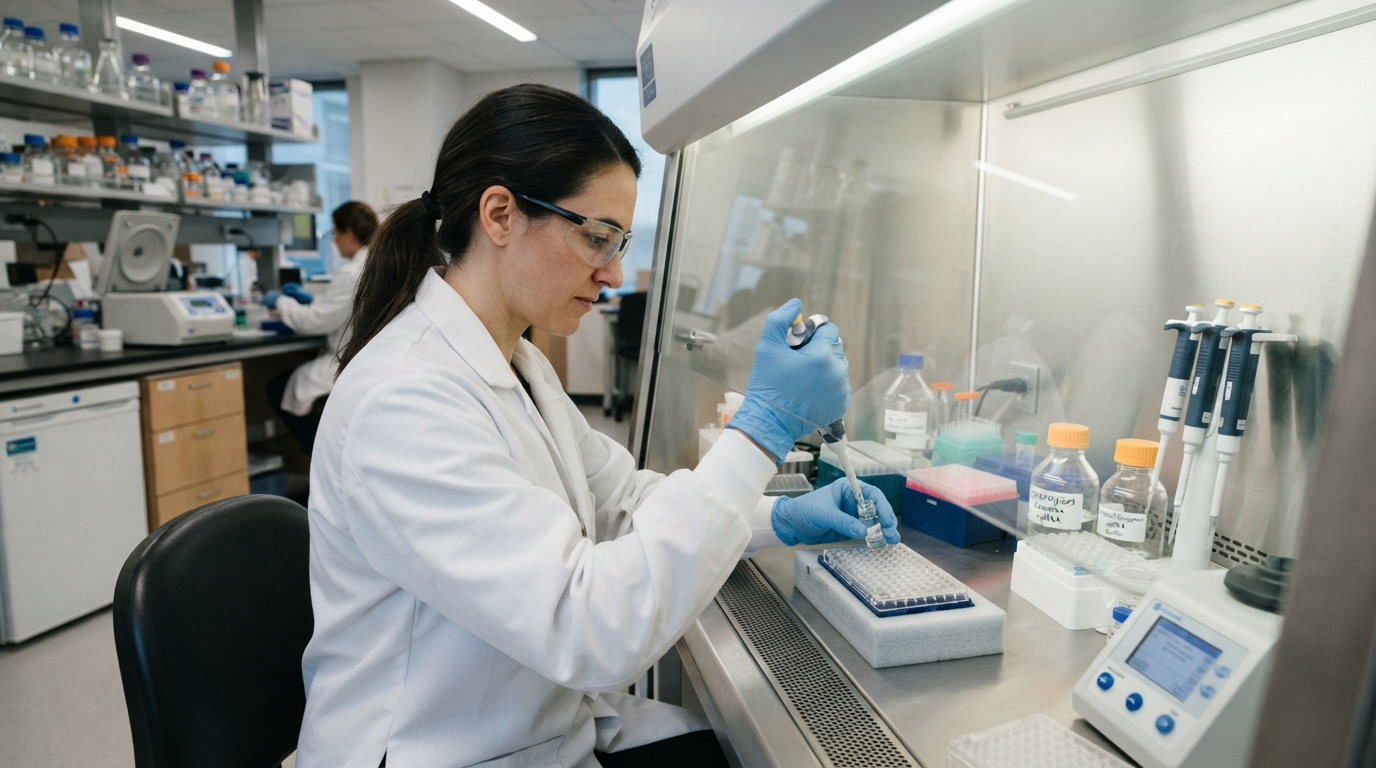
For many patients, this one-time treatment can reduce or even eliminate the need for lifelong blood transfusions. It is a genuine medical milestone. It is worth noting that the therapy is also extraordinarily expensive, listed at around 2.2 million dollars, which raises real questions about access that society is still working through.
As I read about advances like CRISPR gene-editing technology, I’m reminded that God has given humanity incredible creativity and the ability to discover and develop tools that can relieve suffering. Scripture tells us that every good and perfect gift comes from God, and throughout history He has allowed people to use wisdom, knowledge, and skill to care for others (James 1:17).
At the same time, medical breakthroughs invite us to think carefully about how we use them. The Bible teaches that every person is created in the image of God (Genesis 1:27). Because of that, human life has inherent value and dignity from conception to natural death. Technologies like CRISPR have the potential to help treat devastating inherited diseases, which can be a beautiful expression of loving our neighbors by easing pain and restoring health. Jesus’ earthly ministry was filled with compassion for those who were sick, reminding us that caring for the suffering reflects God’s heart (Matthew 14:14).
As Christians, however, we should approach these advances with both gratitude and discernment. Just because we have the ability to change something does not always mean we should. We are called to seek God’s wisdom (James 1:5), act with humility, and ensure that scientific progress never comes at the expense of human dignity or ethical responsibility.
Ultimately, our hope is not in medicine alone. While we can celebrate treatments that improve lives, we recognize that no scientific discovery can fully heal the brokenness caused by sin. Our greatest hope is found in Jesus Christ, who offers the promise of complete restoration. Until that day, we can thank God for the minds He has gifted to pursue healing while remembering that He is the Great Physician, and our ultimate trust remains in Him.
The story of beta thalassemia and CRISPR is, in many ways, a picture of the Christian call to hold two things at once. We can rejoice in healing while staying rooted in truth. We can celebrate human ingenuity while remembering its source. We can welcome relief from suffering while keeping our deepest hope fixed on Christ.
Science can extend and improve life. Only God can redeem it.
“Every good gift and every perfect gift is from above, coming down from the Father of lights.” James 1:17
Walking through faith and culture together. At Faith Focus Journal, we explore today’s biggest questions through the lens of Scripture. Have a thought on this topic or a question you’d like us to explore? Reach out through our contact page. We would love to hear from you.