Corrie Ten Boom risked everything to hide Jewish families from the Nazis, saving 800 lives. Her story is a powerful testimony of Christian courage, faith, and forgiveness during the Holocaust.

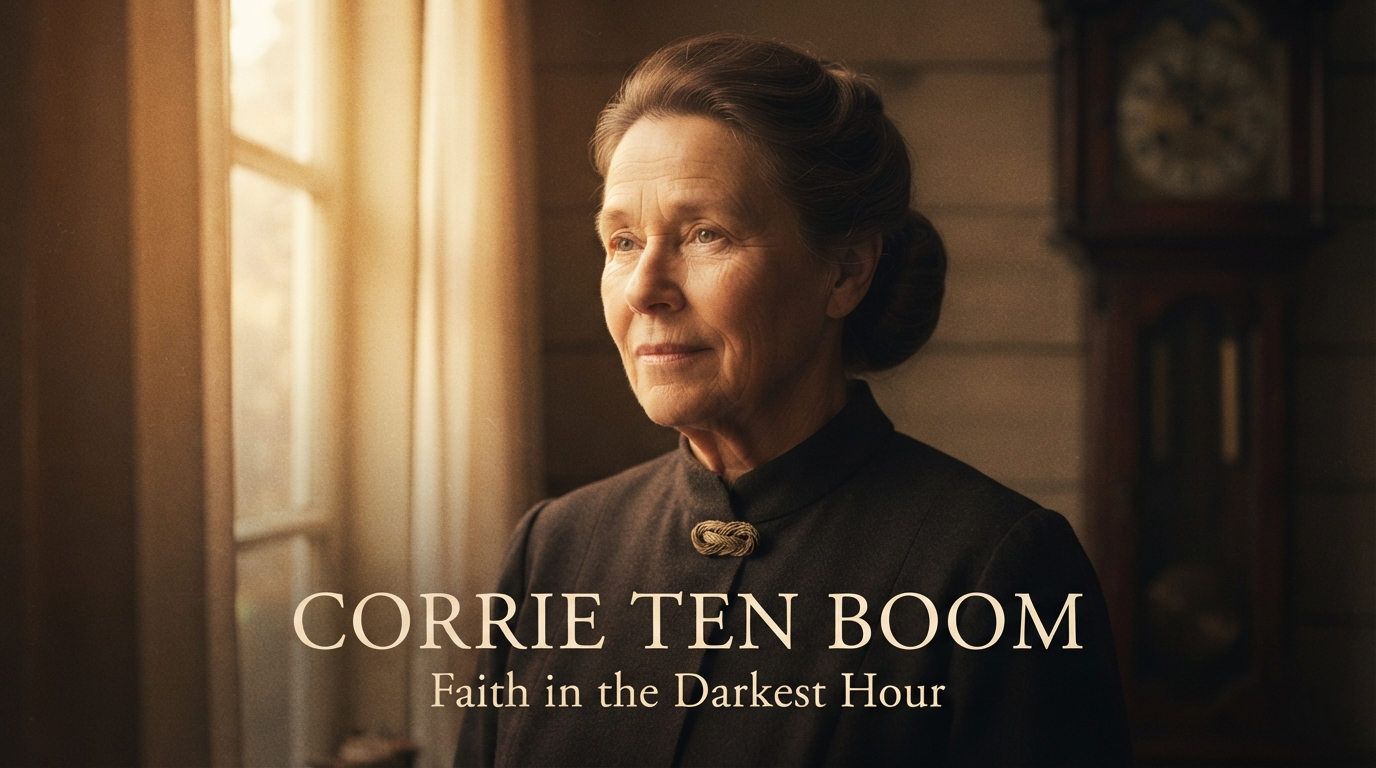
THE NETHERLANDS — In times of great darkness, God often calls ordinary believers to extraordinary acts of faith. The life of Corrie Ten Boom serves as a powerful example of Christian courage, sacrifice, and obedience during one of history’s darkest chapters.
Born on April 15, 1892, into a devoted Christian family in the Netherlands, Corrie Ten Boom lived a relatively quiet life. As the first licensed female watchmaker in her country, she worked alongside her family while actively serving in ministry and community outreach.
Everything changed in May 1940 when Nazi Germany invaded the Netherlands during World War II. As anti-Jewish laws spread across the nation, Jewish families faced increasing persecution, deportation, and ultimately genocide. Witnessing the suffering of their neighbors and friends, the Ten Boom family believed God was calling them to take action.
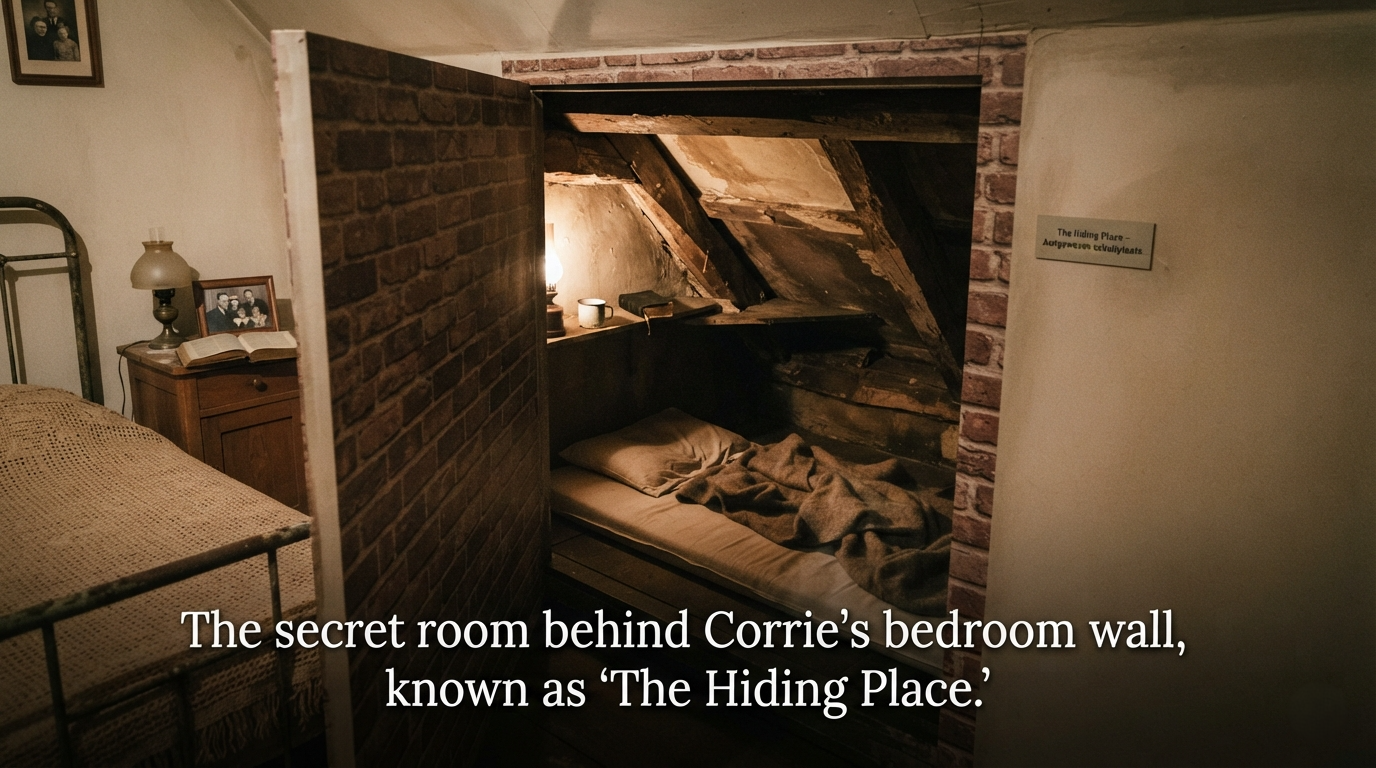
Driven by their Christian conviction that all people are created in God’s image, the family transformed their home into a refuge for those fleeing Nazi oppression. A secret room, later known as “The Hiding Place,” was constructed behind a wall in Corrie’s bedroom to shelter Jews and members of the Dutch resistance.
Over the next four years, the Ten Boom family helped save the lives of more than 800 Jewish people. Their home became a place of safety and hope despite the constant threat of discovery.
That ministry came to an abrupt end on February 28, 1944, when a Dutch informant betrayed the family to Nazi authorities. The Gestapo raided their home and arrested the Ten Booms for their efforts to protect those targeted by the regime. While several people hidden in the secret room escaped detection, the family paid a heavy price for their faithfulness. Corrie’s father, Casper Ten Boom, died shortly after his imprisonment. Corrie and her older sister, Betsie, were eventually deported to the Ravensbrück concentration camp in Germany.
Upon arrival, the sisters endured harsh treatment, forced labor, hunger, and overcrowded living conditions. Yet even amid unimaginable suffering, they remained steadfast in their faith. Known as prisoner number 66730, Corrie continued to share the hope of Christ with fellow prisoners. Together, she and Betsie held secret Bible studies, offered encouragement to the despairing, and pointed others to God’s promises despite the cruelty surrounding them. Their faith became a shining light in one of the darkest places on earth.
Betsie would later die at Ravensbrück, but not before reminding her sister that God’s love is greater than any suffering and that no pit is so deep that Christ is not deeper still.
Following her miraculous release from the camp, Corrie spent the remainder of her life sharing the message of God’s forgiveness, grace, and redemption around the world. Her testimony continues to inspire Christians to stand for truth, defend the vulnerable, and trust God even in the most difficult circumstances.
The story of Corrie Ten Boom remains a compelling reminder that courageous faith is often demonstrated not through comfort or safety, but through obedience to God when the cost is highest.
“The message that God forgives has a prior condition: that we forgive those who have injured us.” — Corrie Ten Boom
Walking through faith and culture together. At Faith Focus Journal, we explore stories of courageous faith through the lens of Scripture. Was Corrie’s story an encouragement to you, or is there a testimony you’d like us to tell? Reach out through our contact page. We would love to hear from you.