United Nations experts have sounded the alarm over escalating violence against Christian women and girls in Nigeria. Here is a biblical perspective on the persecution crisis and how to respond.

ABUJA, NIGERIA — A coalition of United Nations human rights experts has issued a sobering warning concerning escalating violence against Christian women and girls in Nigeria, drawing international attention to what many religious freedom advocates describe as one of the world’s most overlooked persecution crises.
In a recent statement, UN experts expressed deep concern over reports of targeted killings, kidnappings, sexual violence, forced conversions, forced marriages, and disappearances affecting Christian and other religious minority women throughout Nigeria’s northern and Middle Belt regions. The experts called on Nigerian authorities to take immediate action to protect vulnerable communities and hold perpetrators accountable.
The warning comes as Christians across Nigeria continue to endure persistent attacks from armed groups, extremist factions, and criminal gangs operating throughout the region. While violence has impacted people of various faith backgrounds, Christian leaders say believers in many communities have become specific targets because of their faith.
“The reports are heartbreaking,” said one Nigerian pastor serving in the Middle Belt region. “Many of our churches know families whose daughters have been abducted. Some never return. Others return deeply traumatized. Entire communities are living with fear.”
For years, international watchdog organizations and local church leaders have documented growing threats against Christian populations in Nigeria. Villages have been attacked, churches burned, and pastors kidnapped. Yet many believers say the suffering of women and girls often receives less attention despite its devastating impact on families and communities.
Christian advocacy groups report that abducted girls are frequently subjected to physical abuse, sexual violence, forced marriages, and pressure to abandon their Christian faith. In some cases, families spend years searching for missing daughters with little hope of receiving answers.
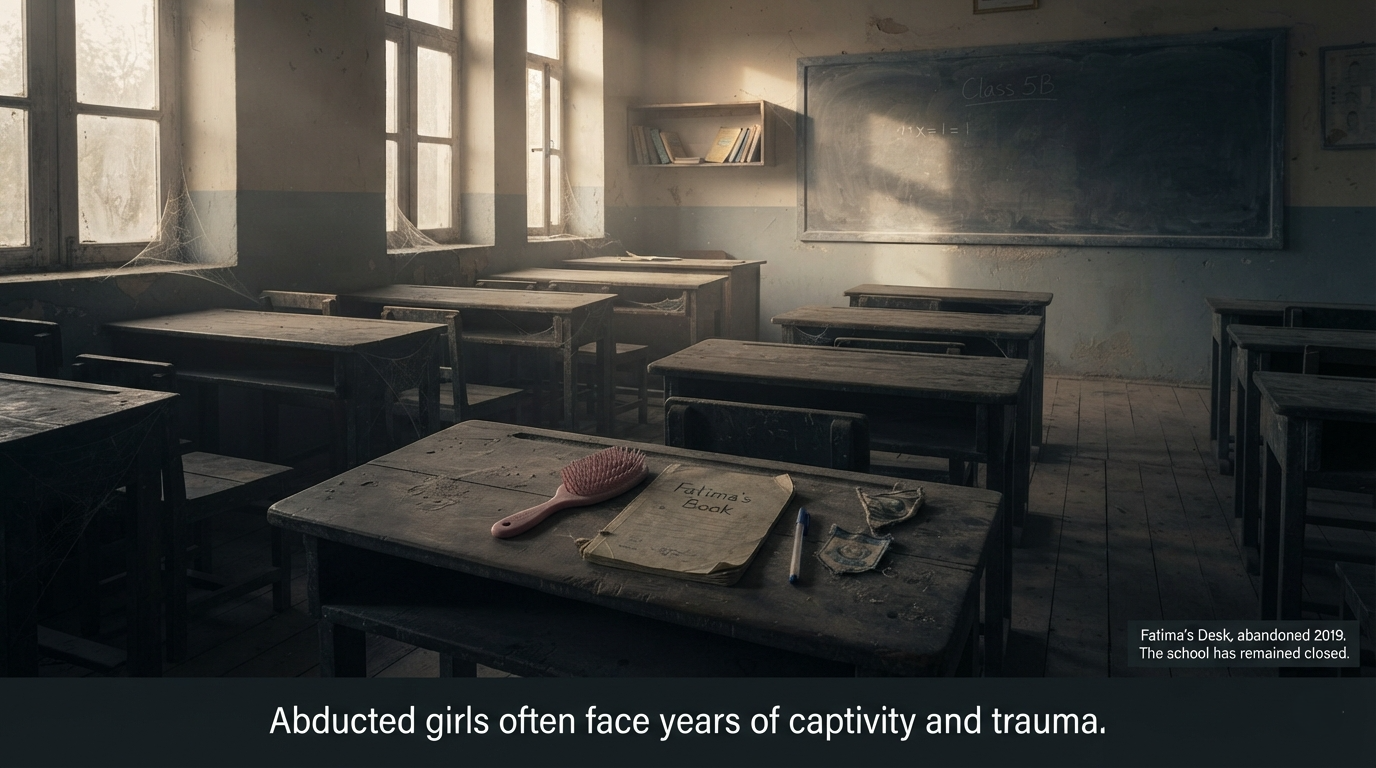
“This is not simply a human rights issue, it is a spiritual and humanitarian crisis,” said a representative of a Christian religious freedom organization. “When young women are targeted because of their faith, the global Church has a responsibility to pray, advocate, and stand alongside those who suffer.”
The violence is occurring against the backdrop of widespread instability throughout parts of Nigeria. Armed insurgencies, ethnic conflicts, and criminal kidnapping networks have contributed to growing insecurity. Rural farming communities are often among the most vulnerable, with residents forced to flee their homes after attacks.
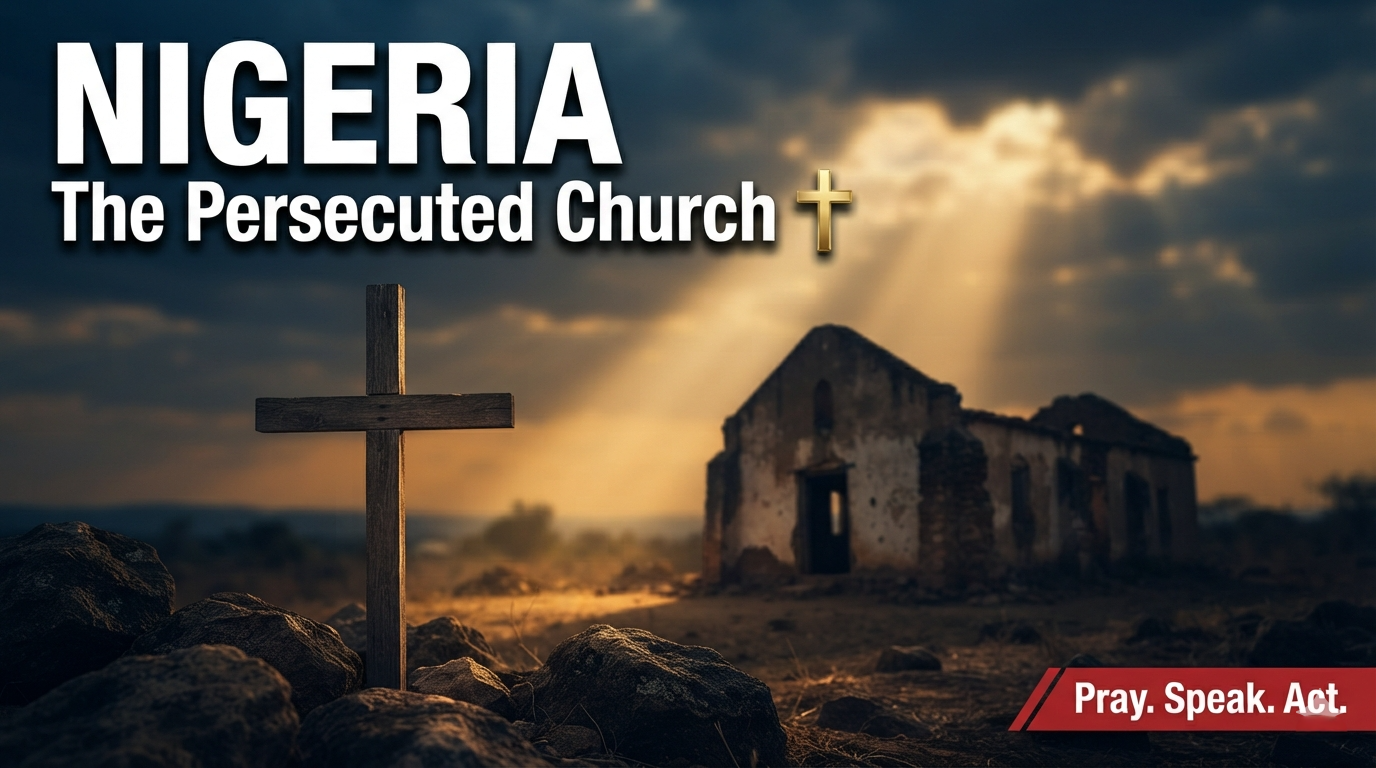
Many Christian communities have become internally displaced, leaving behind homes, farms, churches, and schools. Pastors and ministry leaders report that some congregations now gather under constant threat of violence, while others meet in temporary shelters after their church buildings were destroyed.
Despite these challenges, believers across Nigeria continue to demonstrate remarkable faith and perseverance.
“We have lost buildings, but we have not lost our faith,” said a church elder from northern Nigeria. “The enemy can destroy property, but he cannot destroy the Gospel.”
The situation has prompted renewed calls for prayer from Christian leaders around the world. Churches and ministries are encouraging believers to intercede for protection over vulnerable women and children, comfort for grieving families, and wisdom for government officials responsible for restoring security and justice.
Many are also urging the international community to pay closer attention to religious freedom violations occurring in Nigeria. Advocates argue that increased awareness and diplomatic engagement are necessary to address the ongoing crisis and support victims.
The United Nations experts emphasized that impunity remains a significant concern. Without thorough investigations and meaningful prosecutions, they warned, violence is likely to continue and vulnerable populations will remain at risk.
For Christians, the crisis serves as a reminder that persecution remains a present reality for millions of believers worldwide. Scripture repeatedly calls the Church to remember those who suffer for their faith.
Hebrews 13:3 instructs believers to “Remember those who are in prison, as though in prison with them, and those who are mistreated, since you also are in the body.”
As reports of violence continue to emerge from Nigeria, many Christian leaders are calling believers not only to pray but also to remain informed and engaged. They stress that the suffering of Nigerian Christians is not merely a regional issue but part of the broader story of the global Church.
While the future remains uncertain for many communities affected by violence, local pastors say their hope remains anchored in Christ.
“In every attack, in every loss, we remember that God is still faithful,” one pastor said. “The Church in Nigeria may be wounded, but it is not defeated.”
For Christians around the world, Nigeria’s ongoing struggle is a powerful reminder of both the cost of discipleship and the enduring promise found in Christ’s words:
“Blessed are those who are persecuted for righteousness’ sake, for theirs is the kingdom of heaven.” (Matthew 5:10)
Walking through faith and culture together. At Faith Focus Journal, we explore today’s biggest questions through the lens of Scripture. Moved by this story or want us to cover a topic close to your heart? Reach out through our contact page. We would love to hear from you.