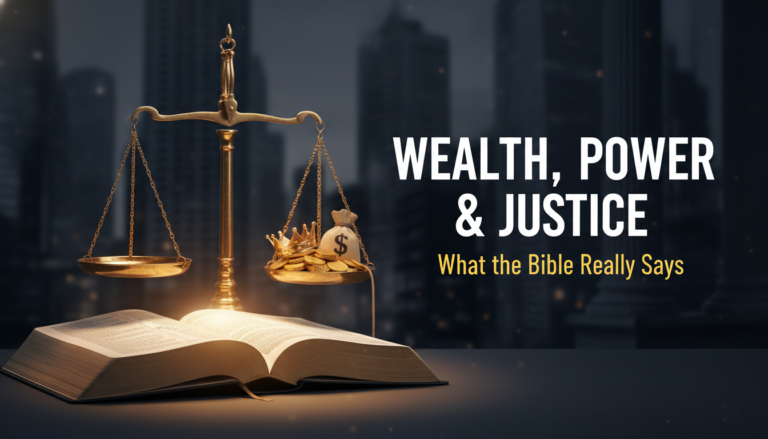
Does the Bible have something to say about the powerful escaping accountability? Explore what Scripture teaches about wealth, justice, and moral responsibility.

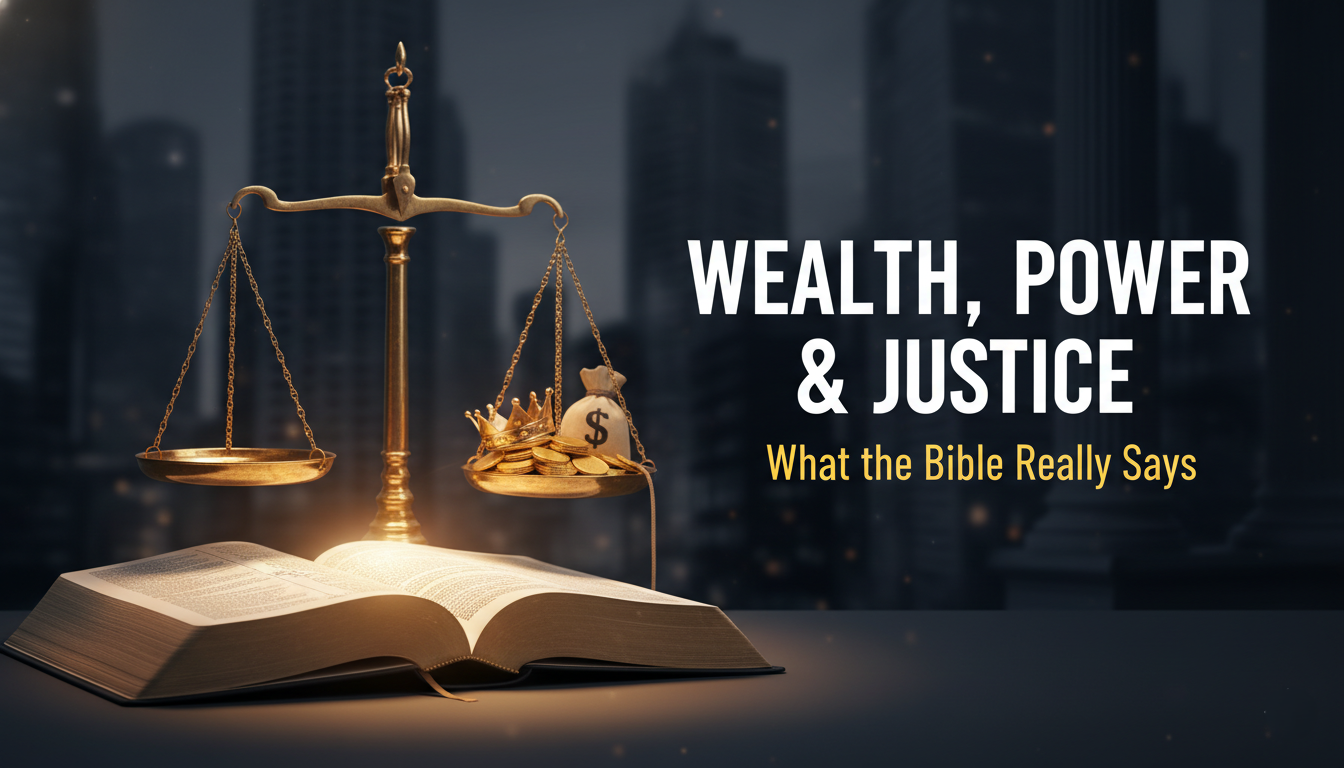
The Bible has never been silent about money, influence, and power. From the prophets of the Old Testament to the teachings of Jesus, Scripture draws a clear line between legitimate success and corrupt gain. In a world where headlines often expose the powerful bending rules that ordinary people must follow, Christians are called to respond with wisdom, truth, and impartial justice.
This post explores what the Bible actually says about wealth, accountability, and why Christian ethics demand equal justice for everyone, no exceptions.
The Bible does not condemn financial success or business. Hard work, generosity, and wise stewardship are celebrated throughout Scripture. But the Bible speaks directly and firmly against how wealth is sometimes used.
Proverbs 11:1 states that “a false balance is an abomination to the Lord.” This ancient warning speaks directly to modern realities, fraud, market manipulation, bribery, and deceptive business practices. When gain is built on dishonesty, Scripture is clear: God notices, and justice eventually follows.
Ecclesiastes takes a sobering look at how institutions and power systems drift toward corruption when left unchecked. The “Preacher” observes that those in authority often protect themselves at the expense of ordinary people. This is not a new story, it is a timeless human pattern.
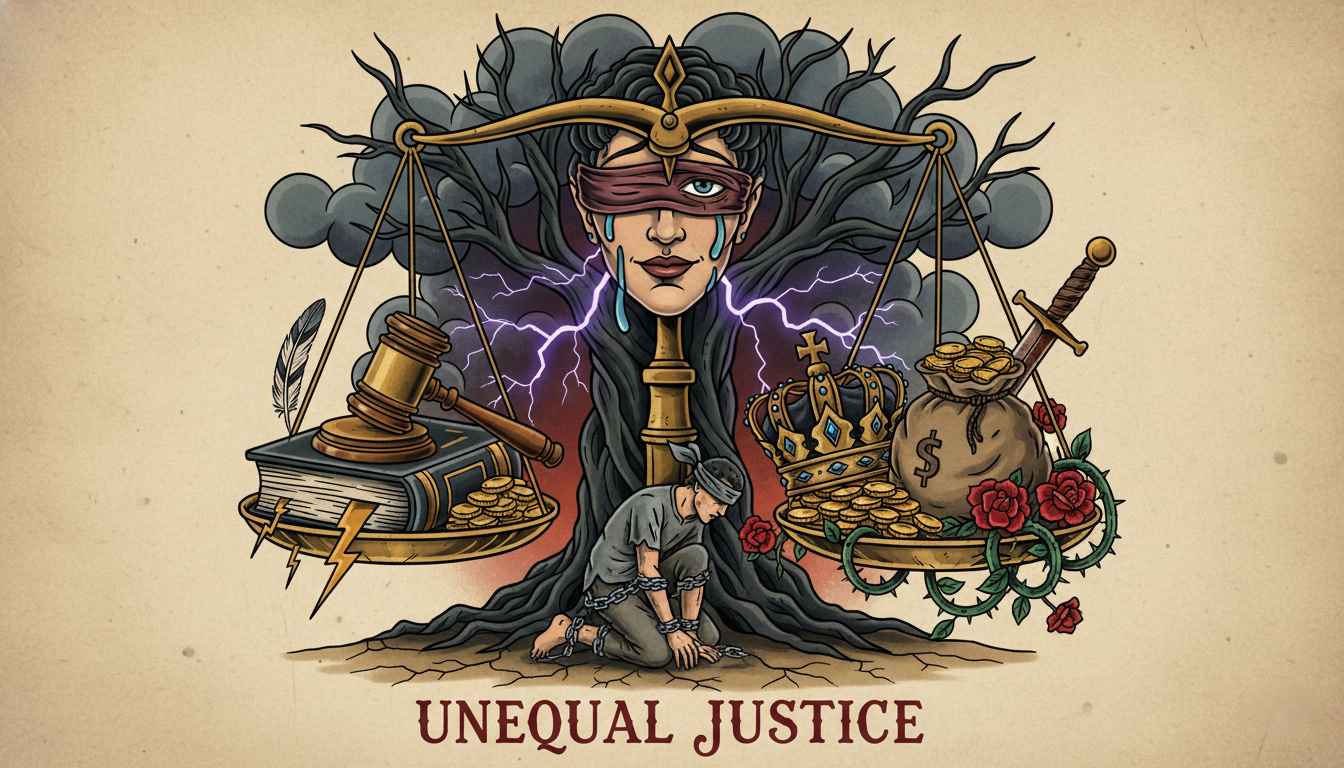
Jesus was not shy around the wealthy or politically connected. He openly called out religious leaders who exploited the vulnerable (Matthew 23), drove out merchants abusing the temple courts (John 2), and warned that it is harder for a rich person to enter the Kingdom of God than for a camel to pass through the eye of a needle (Matthew 19:24).
His message was consistent: no amount of wealth or influence exempts a person from moral and spiritual responsibility.
Amos, Isaiah, Micah, and Jeremiah all delivered similar warnings. Leaders who protected the rich while ordinary citizens absorbed the consequences of injustice were condemned in strong terms. Micah 6:8 remains one of the most direct calls in all of Scripture: “Do justice, love kindness, and walk humbly with your God.”

When stories emerge about powerful or politically connected individuals accused of fraud, bribery, or corruption, Christians face a challenge. The temptation can be to respond based on political loyalty rather than biblical principle.
A genuinely Christian response should include:
Beyond any one case or individual, Christians are invited to see a bigger picture. The consistent human struggle with greed, pride, and the desire for influence is a spiritual problem that no political party or policy can fully solve. The biblical answer is not just better laws, it is transformed hearts.
Leviticus 19:15 commands: “You shall do no injustice in court. You shall not be partial to the poor or defer to the great, but in righteousness shall you judge your neighbor.”
This verse is striking because it goes both ways. Justice is not partial to wealth, and it is not partial against it either. The standard is truth. A legal or social system that treats powerful people differently, in either direction, raises serious moral concerns for Christians who take Scripture seriously.
Jesus consistently redirected attention from outward success to inward character. Humility, honesty, service, and integrity were the marks he valued. Christians evaluating any public figure, billionaire, politician, or otherwise, are wise to ask: “Is truth and justice being pursued equally for everyone, or only when it is politically convenient?”
The biblical standard is simple and demanding at the same time: pursue truth, uphold justice, protect the vulnerable, and hold the powerful accountable. These are not liberal or conservative values they are scriptural ones.
If your faith shapes how you see justice, wealth, and accountability, we would love to hear your thoughts and continue the conversation.
📩 Have questions or want to discuss this topic further? We would love to connect with you. Contact us here and let’s talk about faith, integrity, and what it means to live out biblical values in today’s world.