The 2026 primary elections put political influence on full display. Here is a biblical perspective on how Christians can approach politics with prayer, discernment, and hope rooted in Christ rather than party.

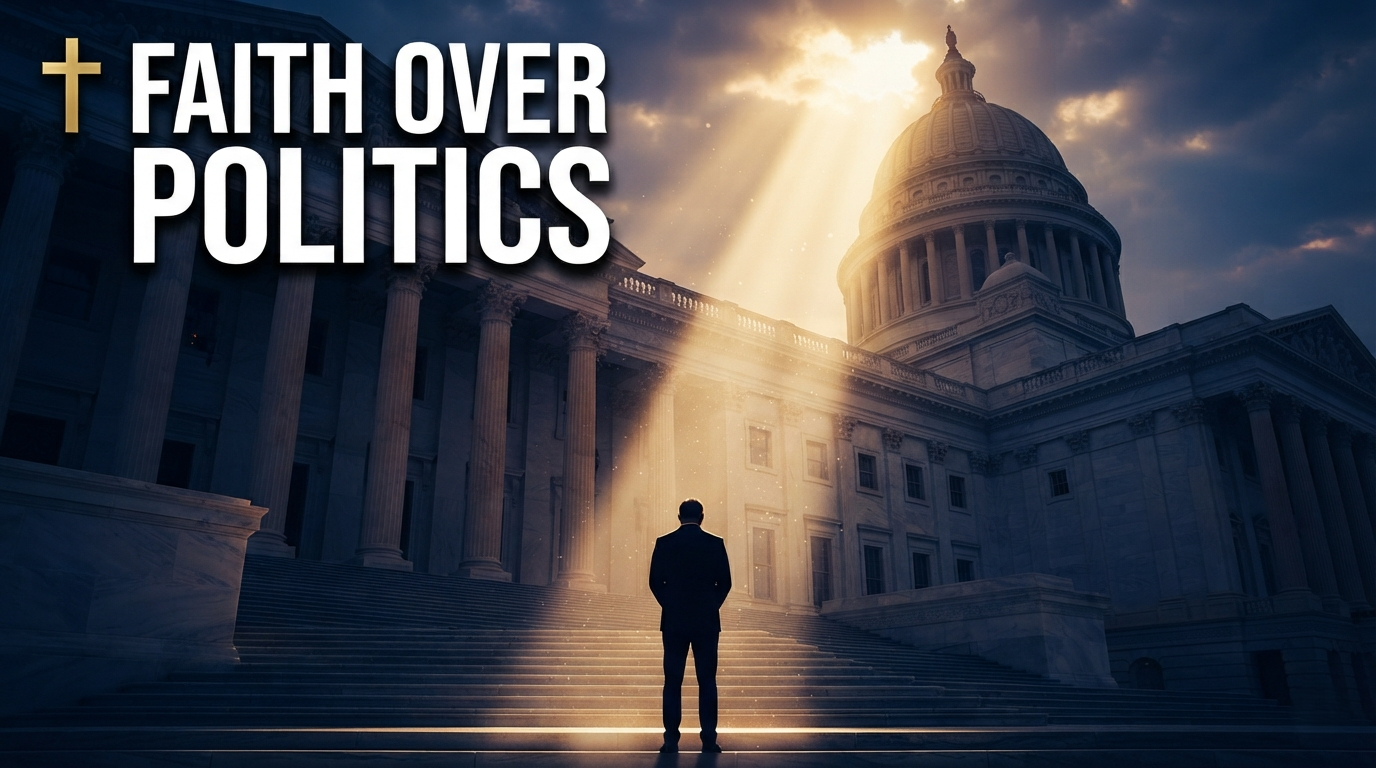
NEW YORK — As voters headed to the polls for key primary elections across several states, Christians are being reminded of the importance of prayer, discernment, and biblical wisdom as political leaders seek to shape the future of their communities and the nation.
One of the most closely watched developments has been the growing political influence of New York City Mayor Zohran Mamdani. While not a candidate himself, Mamdani’s endorsements became a significant factor in several Democratic primary contests, with political observers viewing the elections as a test of his ability to help advance candidates who share his vision for government and public policy. When the votes were counted, all three of his endorsed congressional candidates won their primaries, a notable show of his political strength.
Several candidates backed by the mayor challenged established lawmakers, reflecting broader debates within the Democratic Party about its future direction. The outcomes could have implications for policy discussions on issues affecting millions of Americans.
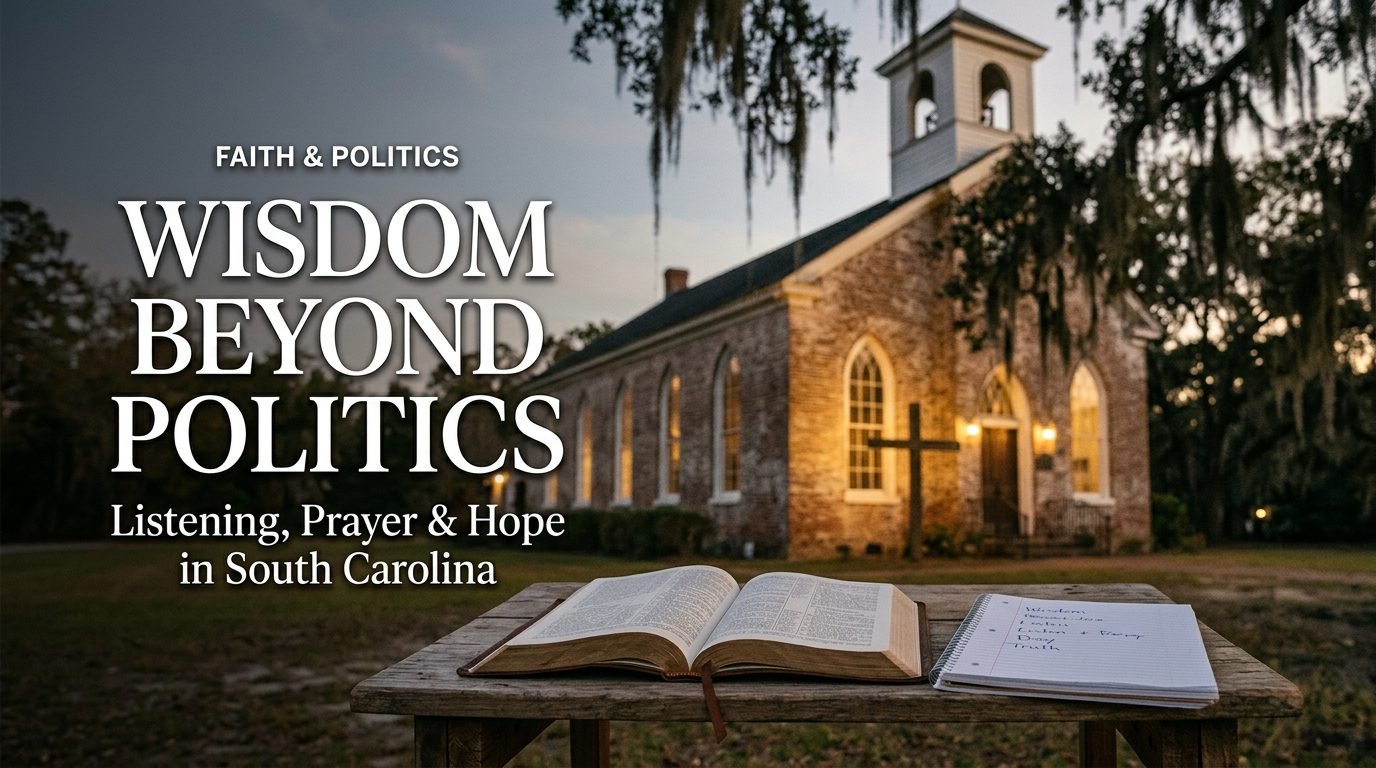
At the same time, Republican voters were closely watching important races of their own. In South Carolina, President Donald Trump took the unusual step of endorsing both remaining candidates in a Republican gubernatorial runoff, highlighting the competitive nature of the contest and the continued influence of national political figures in state elections. That runoff was ultimately won by state Attorney General Alan Wilson.
While political analysts focused on endorsements, campaign strategies, and voter turnout, Christians are called to view such events through the lens of Scripture. God’s Word reminds believers that earthly leadership matters, but ultimate authority rests with the Lord.
The Apostle Paul urged Christians to pray “for kings and all those in authority” (1 Timothy 2:2), recognizing that leaders play a significant role in shaping the conditions under which people live, work, worship, and raise their families.
In an increasingly divided political climate, many pastors and ministry leaders are encouraging believers to engage with current events prayerfully and thoughtfully. Rather than placing their hope solely in political movements or personalities, Christians are called to seek God’s wisdom and evaluate leaders according to principles of integrity, justice, humility, and service.

Election seasons can often expose deep divisions within society, but they also provide opportunities for the Church to model Christlike character. Believers are encouraged to speak with grace, treat others with respect, and remember that their primary citizenship is in the Kingdom of God.
As the results of these primary elections unfold, Christians across the nation are praying that those who serve in public office will govern wisely, pursue justice, and seek the well-being of the communities entrusted to their care.
Though elections may shape the course of governments and political parties, Scripture offers a lasting reminder: “The king’s heart is in the hand of the Lord; He directs it like a watercourse wherever He pleases” (Proverbs 21:1).
For believers, that truth provides confidence and peace amid a constantly changing political landscape.
“I urge that petitions, prayers, intercession and thanksgiving be made for all people, for kings and all those in authority.” 1 Timothy 2:1-2
Walking through faith and culture together. At Faith Focus Journal, we explore faith, culture, and current events through the lens of Scripture, always seeking wisdom over division. Have a thought on faith and public life? Reach out through our contact page. We would love to hear from you.