South Korea is pouring vast resources into AI infrastructure and semiconductors through companies including Samsung and SK hynix. The global technology race also raises a timeless Christian question: where does true wisdom come from?
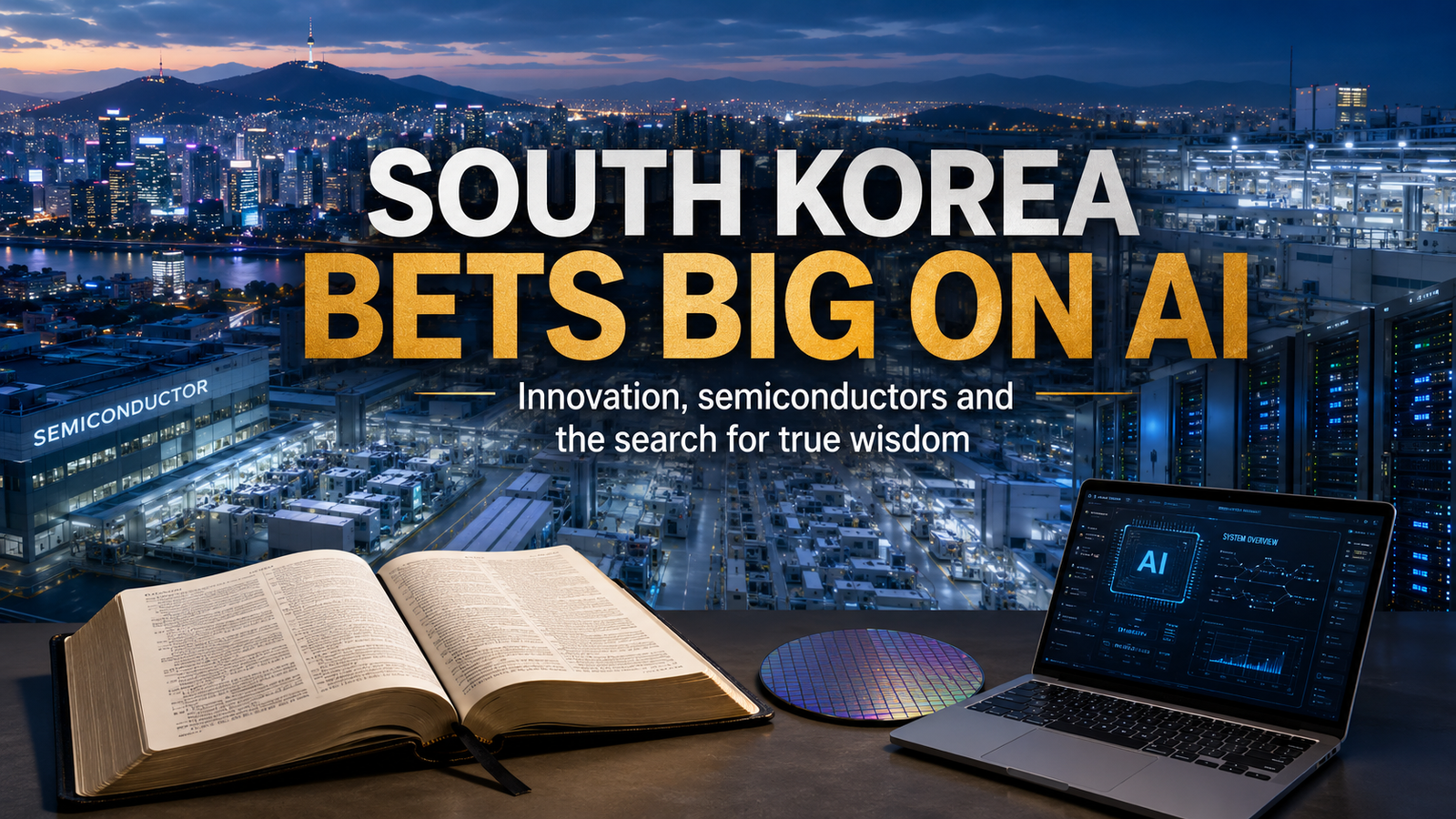
SEOUL, South Korea – South Korea is making one of its largest investments yet in artificial intelligence, semiconductors, and related infrastructure as it seeks to strengthen its position in the global technology race. In June 2026, the government announced a broad strategy involving Samsung Electronics and SK hynix, with hundreds of trillions of Korean won planned for semiconductor production and AI-related infrastructure. The strategy includes major investment in new semiconductor clusters, AI data centers, and advanced memory technology.
The scale of the plans has grown significantly beyond the general investment described in the original draft. Samsung disclosed a domestic investment vision of approximately 2,450 trillion won between 2026 and 2040, including about 2,100 trillion won for its semiconductor business. The company has said the strategy is intended to strengthen its competitiveness in advanced semiconductors and respond to the growth of the AI economy.
The South Korean government announced a major southwestern industrial strategy in June, describing the region as a new center for advanced industry. Government figures listed planned investment of approximately 470 trillion won from SK and 425 trillion won from Samsung, along with 1 trillion won from Amkor Technology, for a combined 896 trillion won in the southwestern region. The plans include advanced memory fabs, AI data centers, and semiconductor packaging facilities.
SK hynix separately announced plans for approximately 400 trillion won of investment in the southwestern region and a nationwide blueprint for 15 gigawatts of AI data center infrastructure. The company said the expansion is intended to respond to rapidly increasing demand for AI memory and advanced computing.
The momentum has continued into August. On August 7, 2026, SK hynix announced approximately 54 trillion won in new investment for its Yongin Y2 and Cheongju M17 fabs. The company said the projects will expand DRAM and NAND capacity and strengthen the global AI semiconductor supply chain.
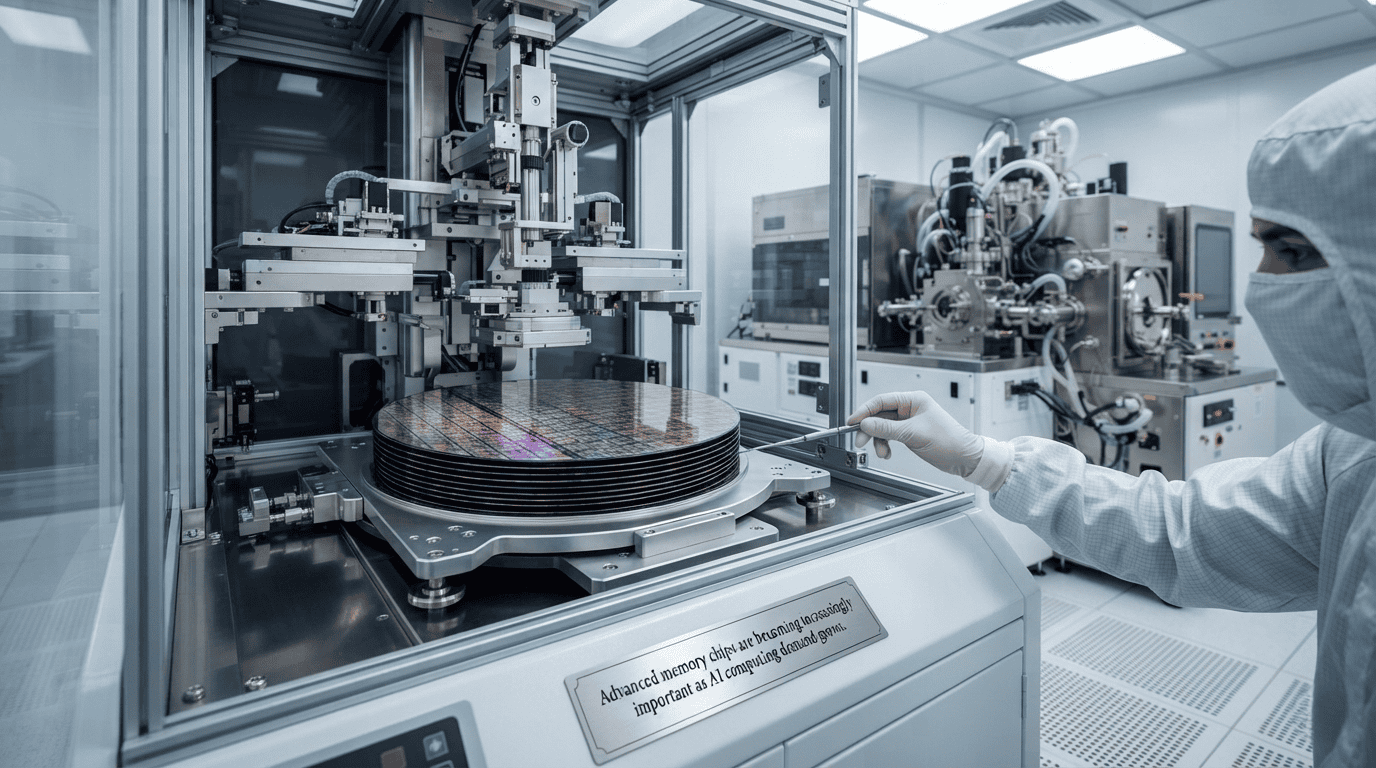
Samsung Electronics is also accelerating its own semiconductor expansion. In July, Reuters reported that Samsung had moved forward the planned start of its Yongin chip facility to 2029 from the previous 2030 to 2031 timetable, citing stronger demand for memory chips driven by AI infrastructure.
The competition is not limited to a single company or country. The enormous demand for high-bandwidth memory, advanced processors, data centers, and related infrastructure has intensified competition among technology manufacturers across Asia and beyond.
The announcement comes as artificial intelligence continues transforming industries including healthcare, education, manufacturing, finance, and communications. While many experts see tremendous opportunities in AI, others caution that rapid technological advancement also raises important ethical and societal questions that require wisdom and accountability.
Recent developments illustrate both sides of that picture. Reuters reported in August that Samsung Electronics had raised prices for certain advanced foundry services by as much as 15% amid surging demand for AI chips and limited global capacity.
At the same time, investors and industry observers have raised concerns about whether AI-related infrastructure spending can continue at its current pace. Reuters has also reported worries about potential oversupply and the volatility surrounding semiconductor companies whose valuations have surged with the AI boom.
That tension is important for understanding the technology race. AI represents a remarkable opportunity for innovation, but rapid growth can also bring economic, ethical, and social risks.
For Christians, the rapid growth of artificial intelligence serves as a reminder that human creativity is a gift from God. Scripture teaches that God created mankind in His image, equipping people with the ability to invent, discover, and cultivate His creation for the benefit of others.
Genesis 1:27 declares that God created humanity in His image. This biblical truth gives Christians a framework for thinking about technological innovation. Human beings can create remarkable tools, but they remain creatures accountable to their Creator.
At the same time, believers recognize that no technological achievement can replace the wisdom that comes from the Lord. Proverbs 2:6 declares, “For the Lord gives wisdom; from His mouth come knowledge and understanding.” Read Proverbs 2:6 on Bible Gateway.
Technology can process information, identify patterns, automate tasks, and perform increasingly sophisticated functions. But biblical wisdom involves moral discernment, humility, righteousness, and the ability to distinguish what is good from what is merely possible.
As artificial intelligence becomes increasingly woven into everyday life, Christians are called to pray that these powerful technologies will be developed and used responsibly, promoting human flourishing rather than causing harm. Innovation should always be guided by truth, integrity, and respect for the dignity of every person created in the image of God.
The rapid growth of AI creates real opportunities to serve people. Technology can help businesses improve efficiency, assist researchers, expand educational access, support translation, and connect people across geographic boundaries.
But Christians should also think carefully about privacy, misinformation, employment disruption, bias, surveillance, and the possibility of technology being used in ways that diminish human dignity. These questions cannot be answered by technical capability alone.
Scripture repeatedly calls believers to pursue wisdom, justice, honesty, and love of neighbor. Micah 6:8 reminds God’s people to “act justly and to love mercy and to walk humbly with your God.” Read Micah 6:8 on Bible Gateway.
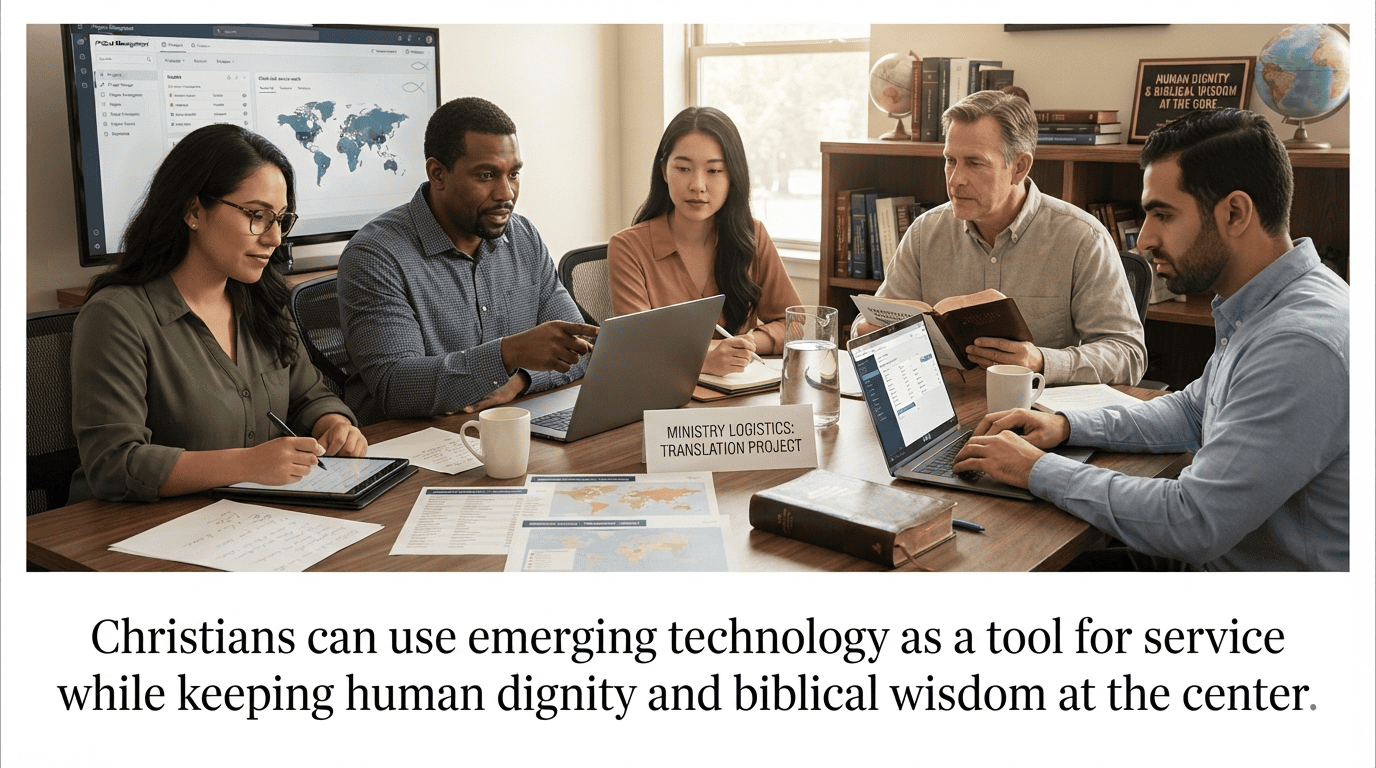
The Church also has an opportunity to use advancing technology for God’s glory. Artificial intelligence can assist ministries in translating Scripture, expanding educational resources, supporting humanitarian efforts, and sharing the Gospel with people around the world.
Yet believers are reminded that while technology may be a valuable tool, it can never replace the transforming work of the Holy Spirit or the life-changing message of Jesus Christ.
A translation system can help make Scripture accessible. An educational platform can help someone study the Bible. An AI assistant can help organize information or support ministry work. But none of these technologies can regenerate the human heart.
Jesus said in John 15:5, “Apart from me you can do nothing.” Read John 15:5 on Bible Gateway.
That distinction is especially important as technology becomes more powerful. Christians are not called to fear every new invention, nor are they called to place ultimate confidence in human innovation. They are called to test, discern, and use what is available in ways that honor God and serve others.
South Korea‘s ambitious investment reflects humanity’s remarkable capacity for innovation, but it also points to a greater truth. Markets may rise and fall, and technology will continue to evolve, but God’s wisdom remains eternal.
The nation’s plans are significant enough to influence the global semiconductor industry. Samsung and SK hynix are expanding capacity, while the South Korean government is working to develop new industrial clusters and AI infrastructure. In July, South Korean officials also announced efforts involving domestic companies and global technology firms around semiconductor supply and AI data center investment, showing how broadly the strategy now reaches.
As nations pursue new discoveries and economic growth, Christians are encouraged to celebrate responsible innovation while placing their ultimate trust not in human achievement, but in the Lord, who is the source of all wisdom and understanding.
The Christian response to AI should therefore be neither blind optimism nor unnecessary fear. It should be faithful stewardship, careful discernment, prayer, and confidence in God.
Walking through faith and culture together. At Faith Focus Journal, we explore technology, culture, and today’s biggest developments through the lens of Scripture. As artificial intelligence reshapes our world, may Christians pursue innovation with wisdom while keeping their trust firmly in God. Reach out through our contact page. https://faithfocusjournal.com/contact-us/ We would love to hear from you.